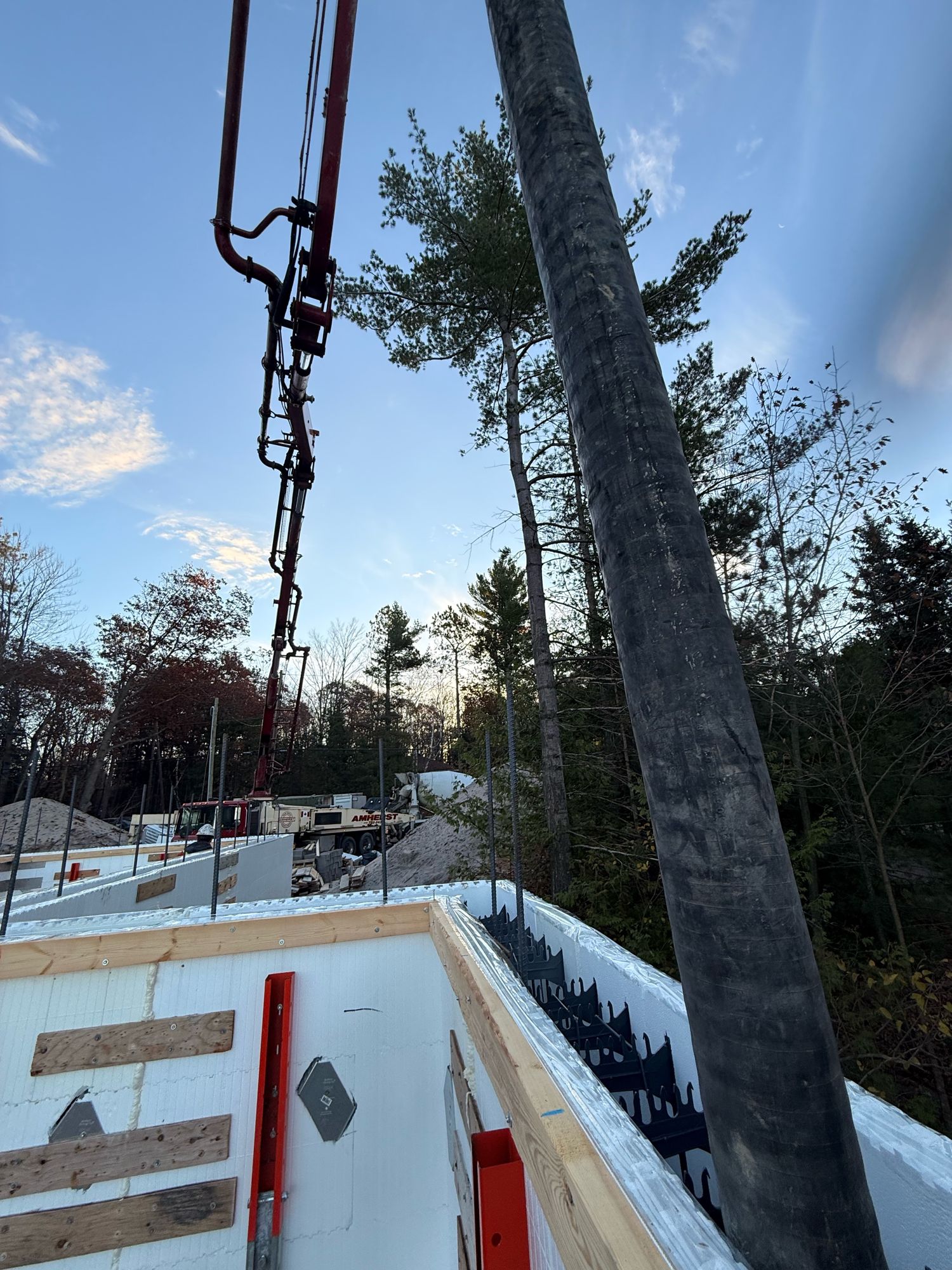
The Homeowner's Playbook · by Kris van Bodegom
Most homeowners don't know what to look for before their ICF pour.
By the time the concrete truck arrives, many of the expensive mistakes are already locked into the wall. This playbook shows you what a professional installer checks — from the footing and dowels to bracing, bucks, and pour day — so you can ask better questions and catch problems while you can still fix them.
Available now · $49 USD · Digital edition (PDF)
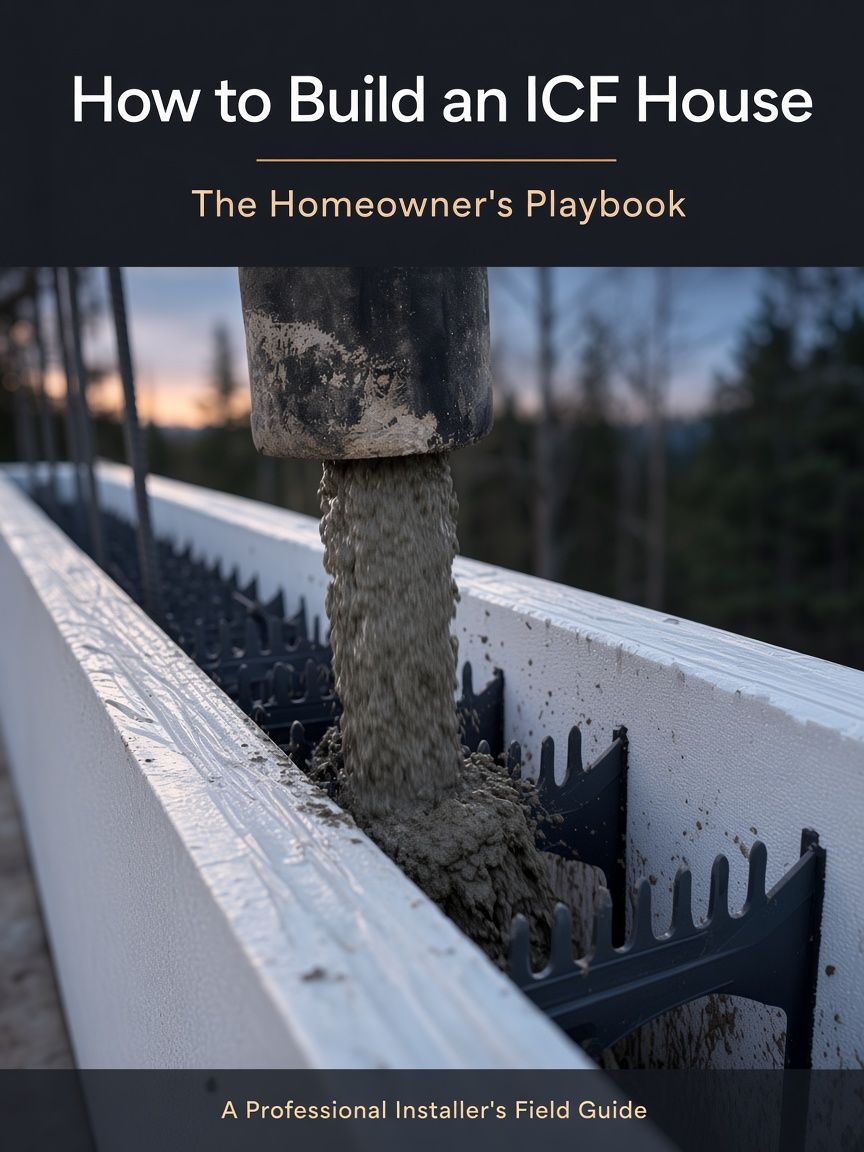
Written by an installer
15 years on real ICF job sites
Homeowner focused
Plain language, no sales pitch
Stage by stage
From footing to finished walls
Checklists included
Know what to inspect and when
Before it's too late
The mistakes this book helps you catch
Once the concrete is in the wall, moving a window or fixing a missed sleeve gets expensive. These are the details that quietly go wrong on ICF jobs — and the ones the playbook teaches you to look for.
- Dowels in the wrong place — or missing — so they don't land in the ICF core.
- Stack joints without enough scabs, leaving a weak seam that can open during the pour.
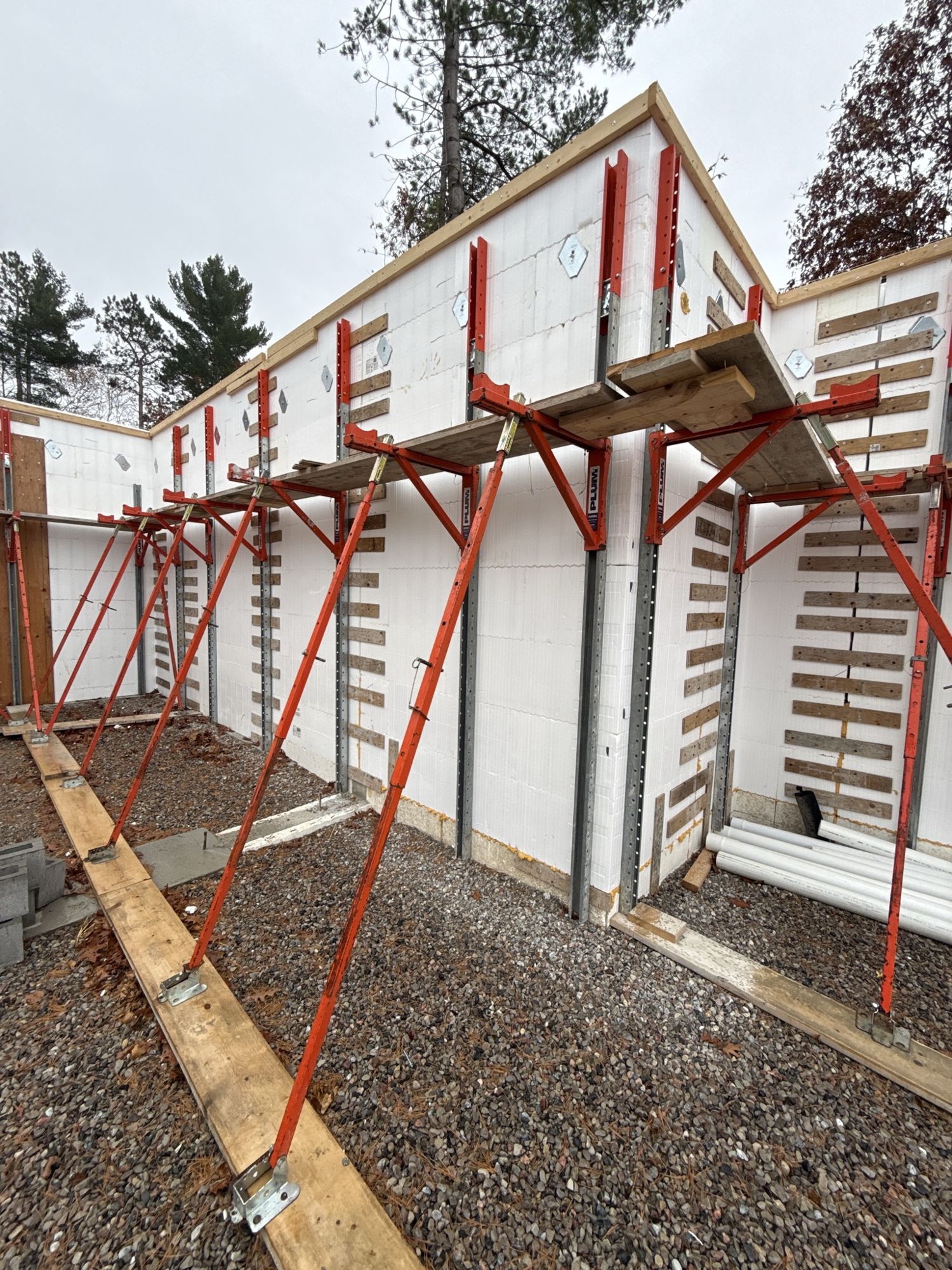
- Window and door bucks that aren't braced square, so openings shift when the concrete goes in.
- Ledger connectors that aren't seated tight into the foam, where the floor or deck will later hang.
- Walls that aren't plumb and aligned before the truck arrives.
- Corners and brick ledges that blow out because the pour is too fast or the forms aren't supported.
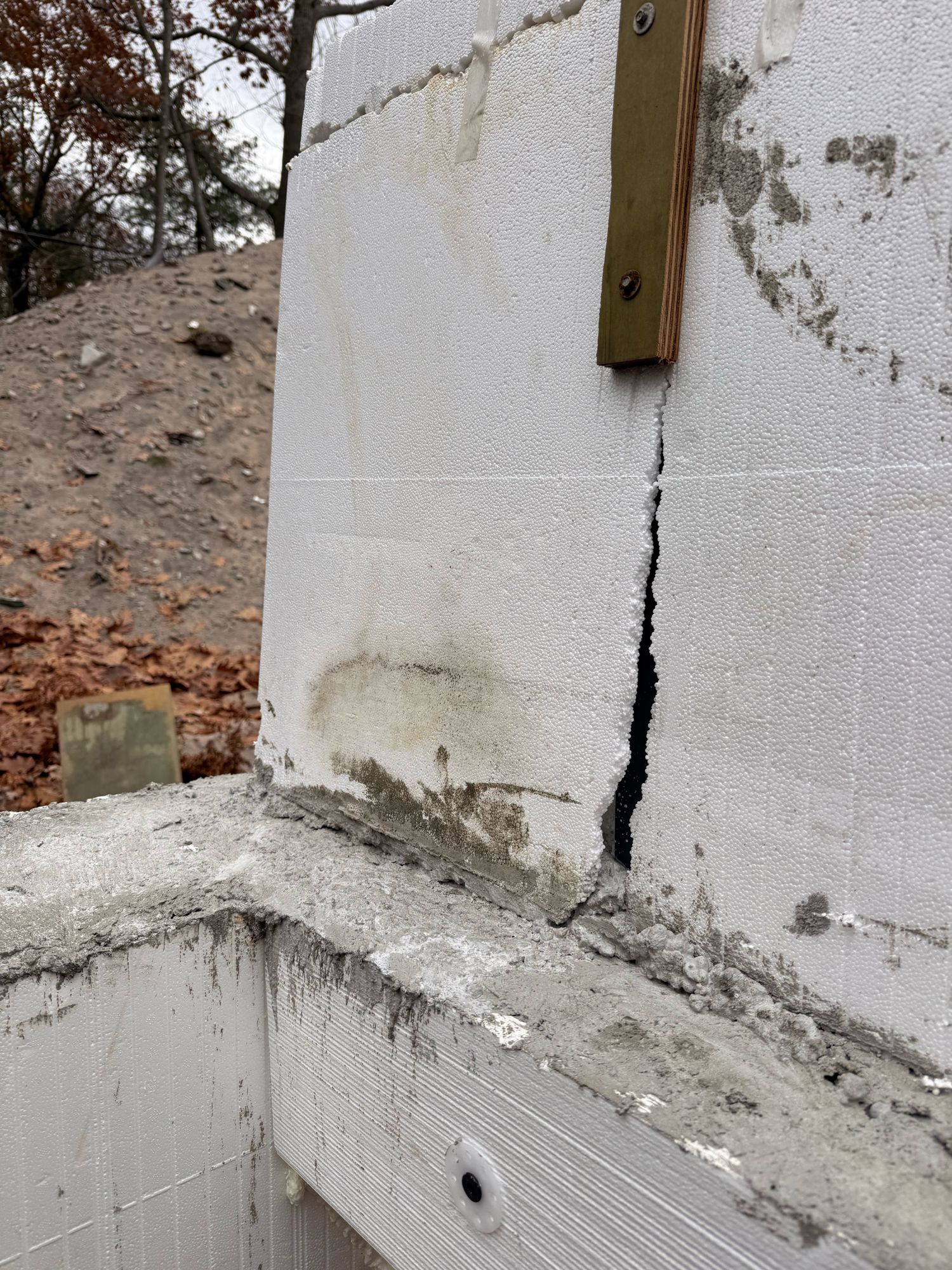
Shot on the job
From real ICF job sites
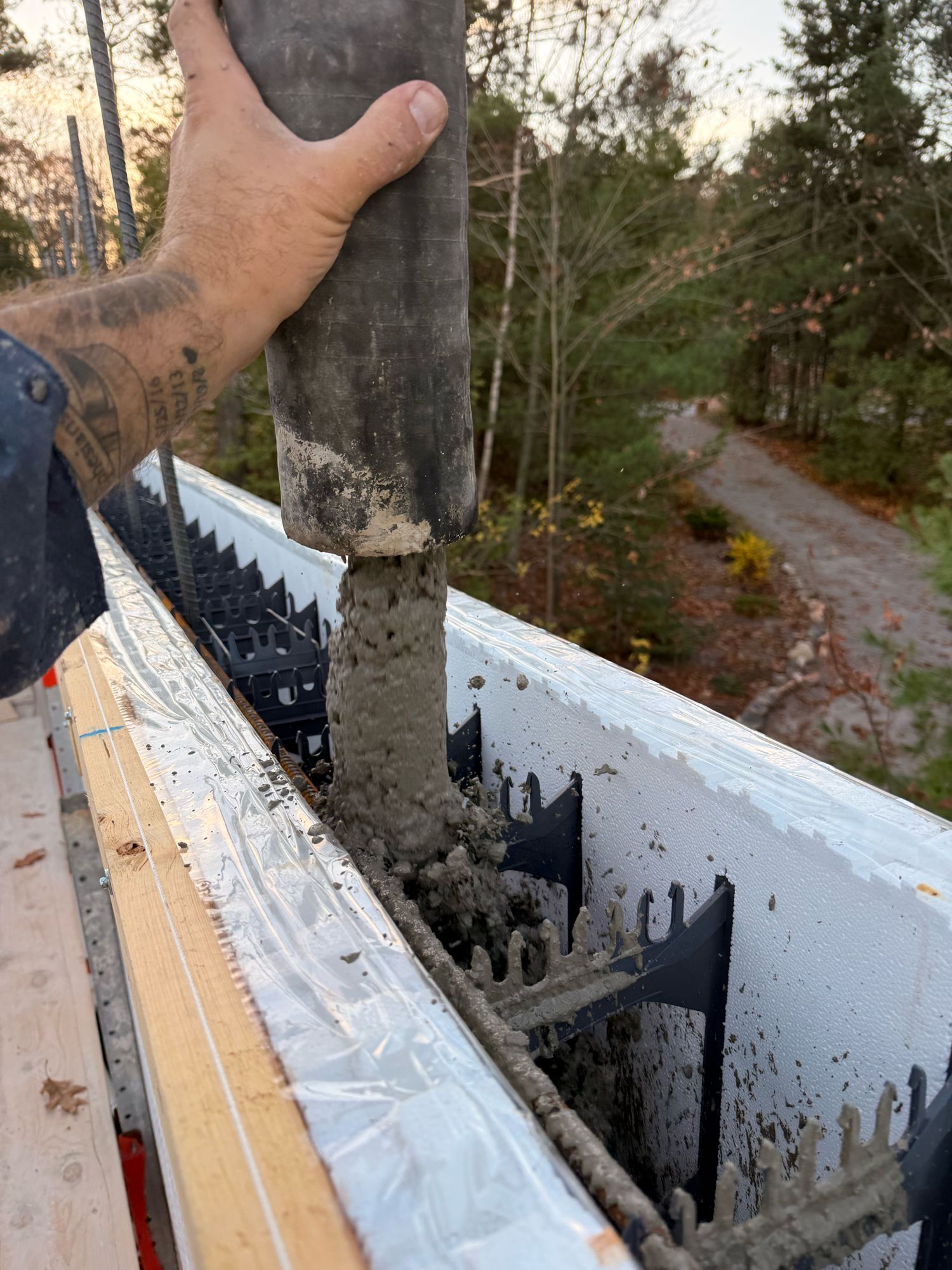
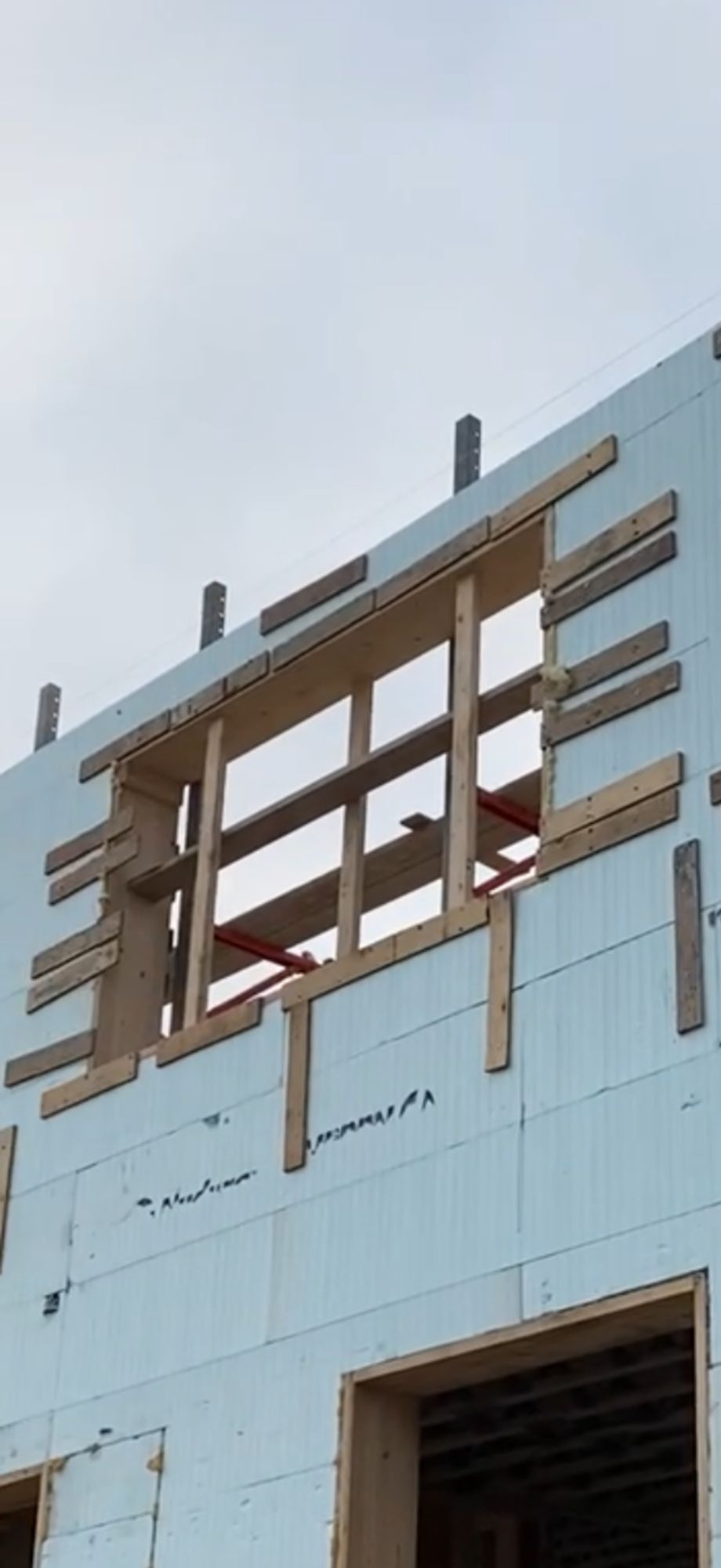
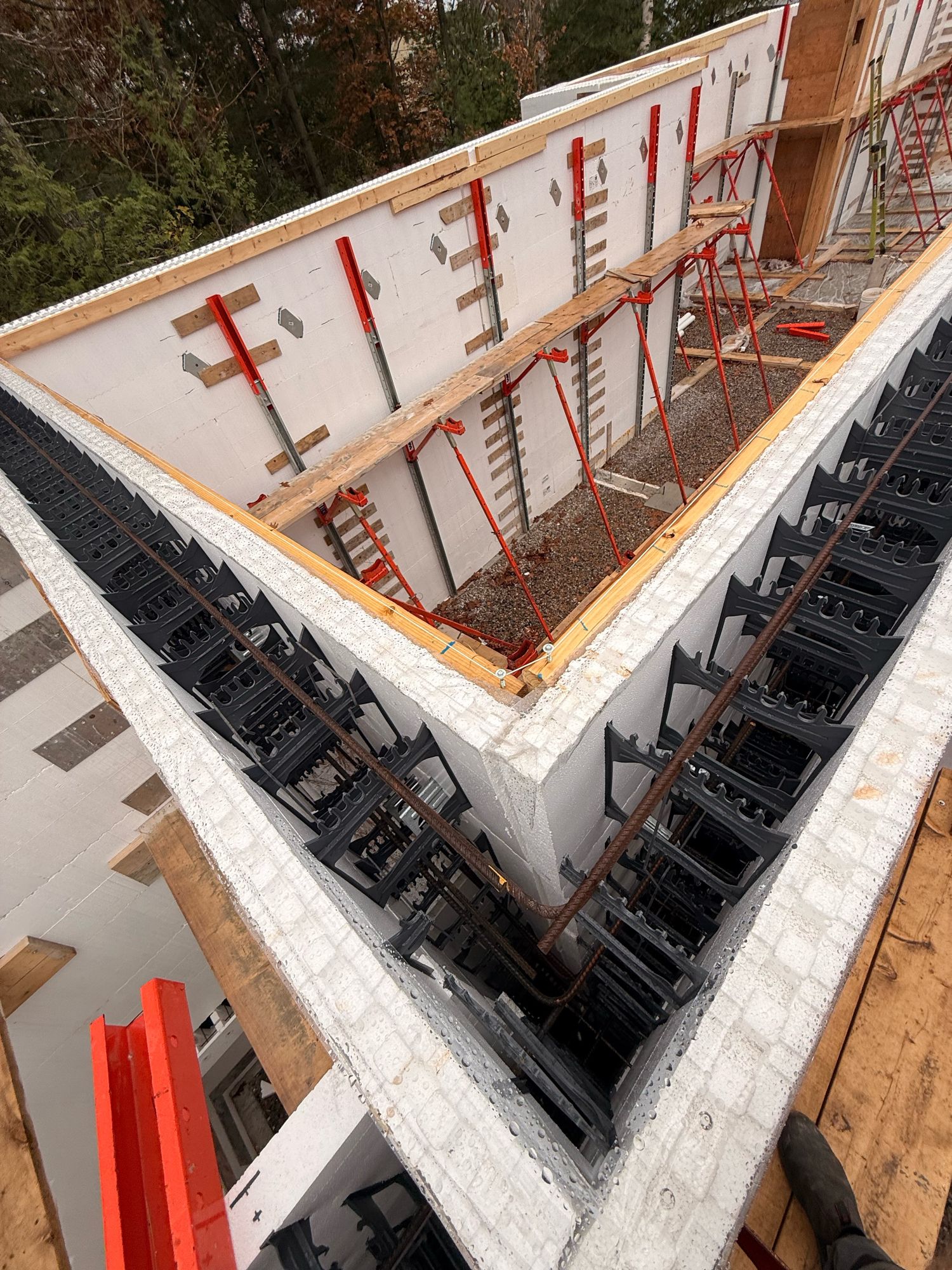
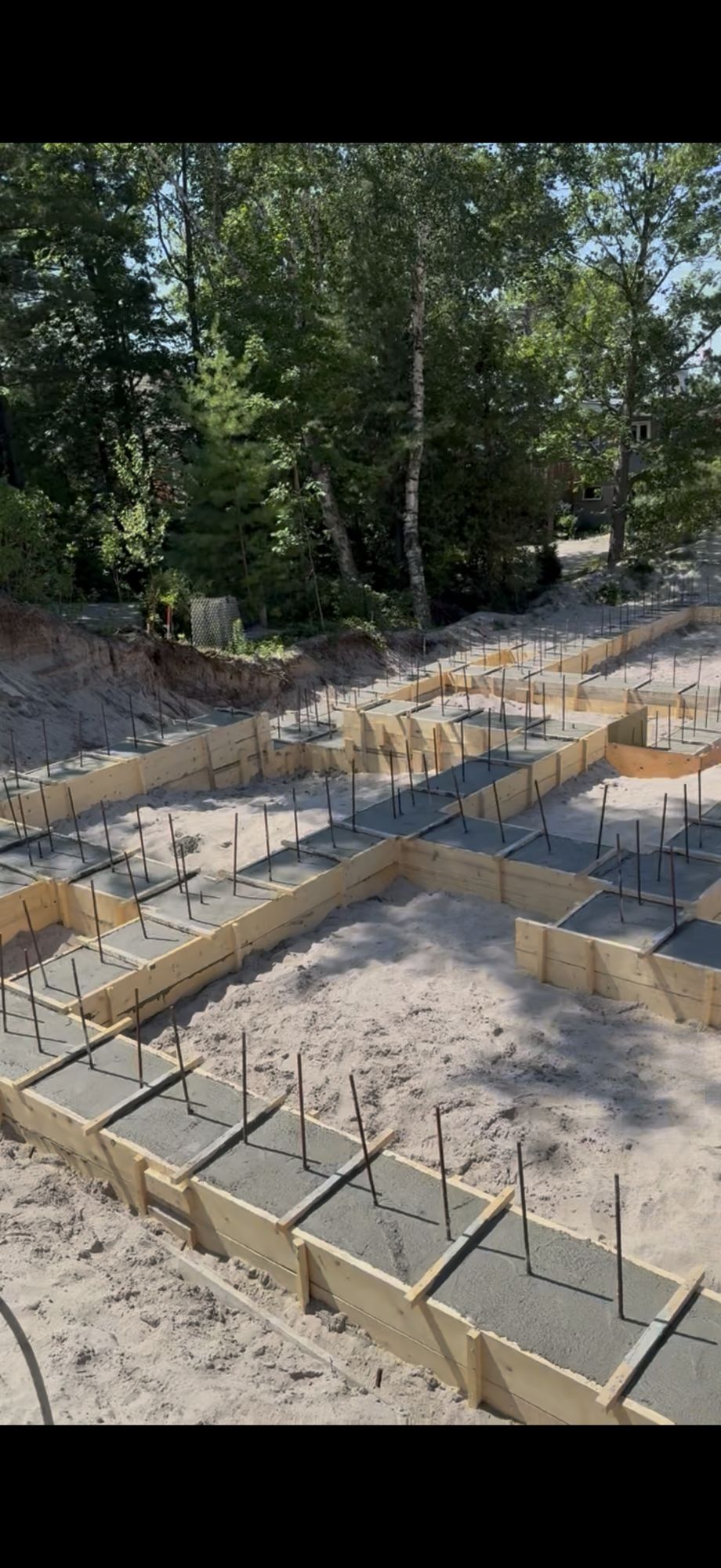
Photos from Kris van Bodegom's installs in Southern Ontario — bracing, bucks, rebar, dowels, and pour day. This is the work the playbook walks you through.
The field guide
What's inside
A stage-by-stage walk through an ICF build, written so a homeowner can understand it — and use it on site.
01
Footing and track
Why a level, square footing sets up the whole wall, and how the first course is laid out.
02
Stacking and joints
Staggering seams, keeping courses tight, and handling stack joints without weak spots.
03
Rebar and corners
Horizontal and vertical steel, laps, and reinforcing the corners that take the most pressure.
04
Bracing and pour day
Alignment systems, plumb checks, pour lifts, and what to watch while concrete goes in.
05
Bucks and windows
Building and bracing door and window bucks so openings stay square and sealed.
06
Ledgers and ICFVL
Attaching floor and deck ledgers correctly, including ICF ledger connector systems.
07
Red flags
The warning signs on site that tell you to stop and ask questions before it is too late — plus checklists you can take to the job.
The author
Written from the wall, not the showroom
Kris van Bodegom is a professional ICF installer based in Southern Ontario. He has been installing insulated concrete forms for 15 years and has stacked, braced, and poured more than 60 basements, full two-storey homes, retaining walls, and commercial jobs.
He grew up in a family of custom home builders, and the part of the work he always loved most was the concrete foundation. He wrote this playbook so homeowners can understand the ICF process, talk confidently with their crew, and recognize quality work before the concrete hides the details.
Quick answers
Frequently asked questions
Who is this playbook for?
Homeowners planning or building an ICF house who want to understand the process and oversee their project with confidence.
Do I need construction experience?
No. Each stage is explained in plain language, with the key terms and checks you will need on site.
Does it replace my engineer or local code?
No. Always follow your engineered plans, the form manufacturer's instructions, and local building codes. The playbook helps you understand them and ask better questions.
Is this a sales pitch for one ICF brand?
No. Kris van Bodegom is a working installer, not a manufacturer. The playbook is about how the work should be done, so you can recognize quality regardless of which form system your crew uses.
What format is it in?
It is available as a digital edition (PDF) you can read on any device or print for the job site.
How to Build an ICF House
Go into pour day knowing what good work looks like
Get the homeowner's playbook from a professional ICF installer — and walk your job with a clearer eye.
Available now · $49 USD · Digital edition (PDF)